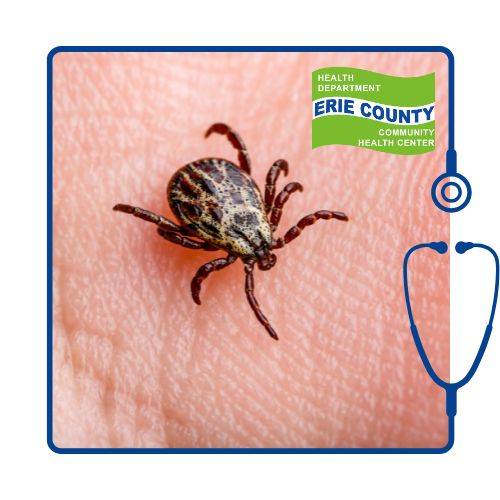
Erie County Ohio Tick Identification: Know Your Risk
Erie County Ohio tick identification is the first step in staying safe after finding a tick on yourself or a pet. While many people immediately think of testing the tick for pathogens, the CDC and the Erie County Health Department recommend a different approach. Because tick testing can be unreliable and doesn’t always reflect whether a person was actually infected, focusing on Erie County Ohio tick identification allows public health experts to give you the most accurate advice for your specific situation.
Why You Should Drop Off Ticks for Erie County Health Department Identification
When you bring a specimen to us, our goal is clarity. We focus on Erie County Health Department identification to determine the species, life stage, and how long the tick was attached. This information is vital because different ticks carry different risks. By prioritizing Erie County Health Department identification, we can provide you with a tailored “watch list” of symptoms and an accurate incubation period, helping you decide if and when to seek medical care.
Common Species Found During Sandusky Ohio Tick Species ID
Erie County is home to several types of ticks, primarily the American Dog Tick, the Blacklegged (Deer) Tick, and the Lone Star Tick. During a Sandusky Ohio tick species ID, we can confirm if you’ve encountered a deer tick, which is known for Lyme disease, or a Lone Star tick, which is associated with different bacterial risks. Understanding which Sandusky Ohio tick species ID matches your specimen ensures you aren’t worrying about the wrong illnesses.
Diseases and Symptoms to Watch For
While the specific risks depend on the species identified during Erie County Ohio tick identification, several illnesses are common to our region. The Blacklegged tick is the primary vector for Lyme disease, characterized by fever, fatigue, and often a “bullseye” rash. Other species, like the American Dog tick, can transmit Rocky Mountain Spotted Fever, while the Lone Star tick is linked to ehrlichiosis and even the development of a red meat allergy known as Alpha-gal syndrome. Because the symptoms of these tick species-borne illnesses often overlap—frequently presenting as a sudden fever or muscle aches—knowing which tick testing results to discuss with your doctor is vital. Our Erie County Health Department identification program ensures you know exactly which Lyme disease symptoms or other bacterial indicators to watch for during the critical medical care window following a bite.
Proactive Erie County Ohio Tick Prevention Strategies
Taking the right Erie County Ohio tick prevention strategies can significantly reduce your chances of needing an identification service in the first place. When spending time outdoors, especially in wooded or grassy areas, we recommend wearing long sleeves and tucking your pants into your socks to create a physical barrier. Utilizing Erie County Ohio tick prevention strategies, such as applying EPA-registered repellents containing DEET or Picaridin, adds an extra layer of defense against hungry tick species.
Essential Local Ohio Tick Safety Habits
Establishing essential local Ohio tick safety habits is your best defense after a day in the backyard or at a local park. Always perform a thorough tick check on yourself, your children, and your pets immediately upon coming indoors, paying close attention to hidden spots like behind the knees and under the arms. By making essential local Ohio tick safety habits a part of your daily routine, you can catch ticks before they have a chance to attach. Remember, if you do find one, follow our local Ohio tick submission and safety guidelines to help us provide you with the information you need for proper medical care.
Steps for Local Ohio Tick Submission and Safety
Participating in our program is simple. For local Ohio tick submission and safety, place the tick in a leak-proof container like a pill bottle. If the tick is alive, include a blade of grass; if it is dead, add a few drops of rubbing alcohol to preserve it. Bring the tick, along with the Tick Identification Submission Form to our office at 420 Superior Street, Sandusky, Ohio, to complete the process. Following these protocols for local Ohio tick submission and safety ensures our team can provide the most accurate results possible.
Have additional questions? Contact ECHD Epidemiologist Taylor Kula at 419-626-5623, Ext. 5103.