
Protecting families from vector-borne diseases.
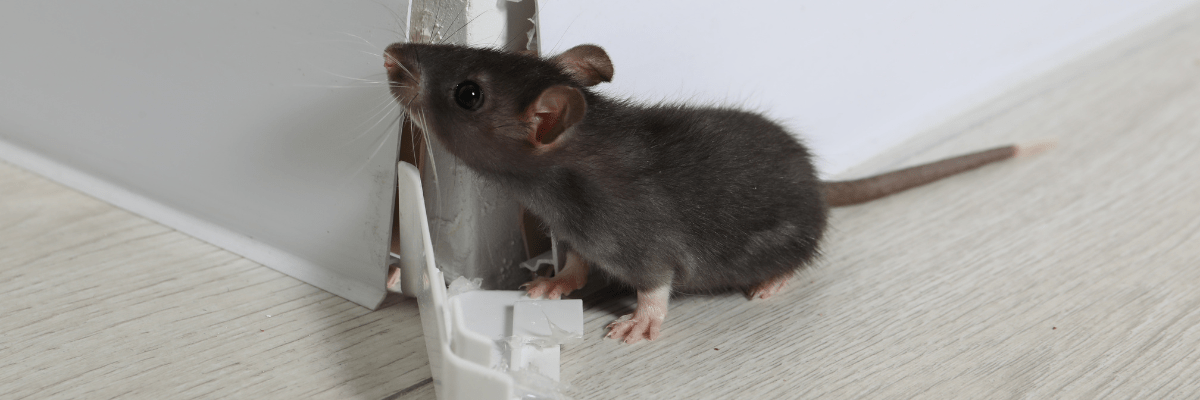
Our Pest Control and Rabies program actively monitors and controls pest populations, including mosquitoes, rodents, and ticks, that can transmit illnesses to humans. A major pillar of our department’s safety mission is rabies prevention, which involves investigating potential viral exposures from wild or domestic animals. If you, a family member, or a pet has had an encounter with a potentially rabid animal, you must report animal bite Erie County procedures immediately so our nursing and environmental teams can coordinate testing, quarantine, or post-exposure medical care.
Contact one of our Commercial Pest Applicators:
Anne Wells: 419-626-5623 ext. 5173
Heather Hayes: 419-626-5623 ext. 5104
Molly Brownell: 419-626-5623 ext. 5124
Rabies is a viral, life-threatening disease that is spread by the saliva of infected animals and is typically transmitted through a bite. Rabies is a preventable disease; learn more about the Ohio Department of Health’s Rabies Program. Rabies causes inflammation of the brain and is deadly because it compromises the brain’s ability to regulate necessary functions such as breathing and salivation. With a mortality rate of 99.9% if left untreated, rabies is one of the deadliest diseases.
For the Following Use the Forms & Codes Page Button Below:
- Animal Incident Reporting Form
- Rabies Investigation Form (Used for Bites, Scratches or other Exposures to Mammals)
- Tick ID Submission Form
Tickborne diseases are illnesses that can spread to humans or animals through the bite of an infected tick. A tick that is not removed from the attached skin may feed for several days. As the tick feeds, it fills with blood from the host and enlarges. The longer the tick is attached, the greater the chance it will pass on any disease.
OHIO TICK-BORNE DISEASES
ROCKY MOUNTAIN SPOTTED FEVER (RMSF)
LYME DISEASE
BABESIOSIS
ANAPLASMOSIS
EHRLICHIOSIS\
For more information contact:
Taylor Kula
ECHD Chief of Epidemiology
Phone: (419) 626-5623 ext. 5103
Fax: (419) 626- 8778
Email: tkula@echdohio.org